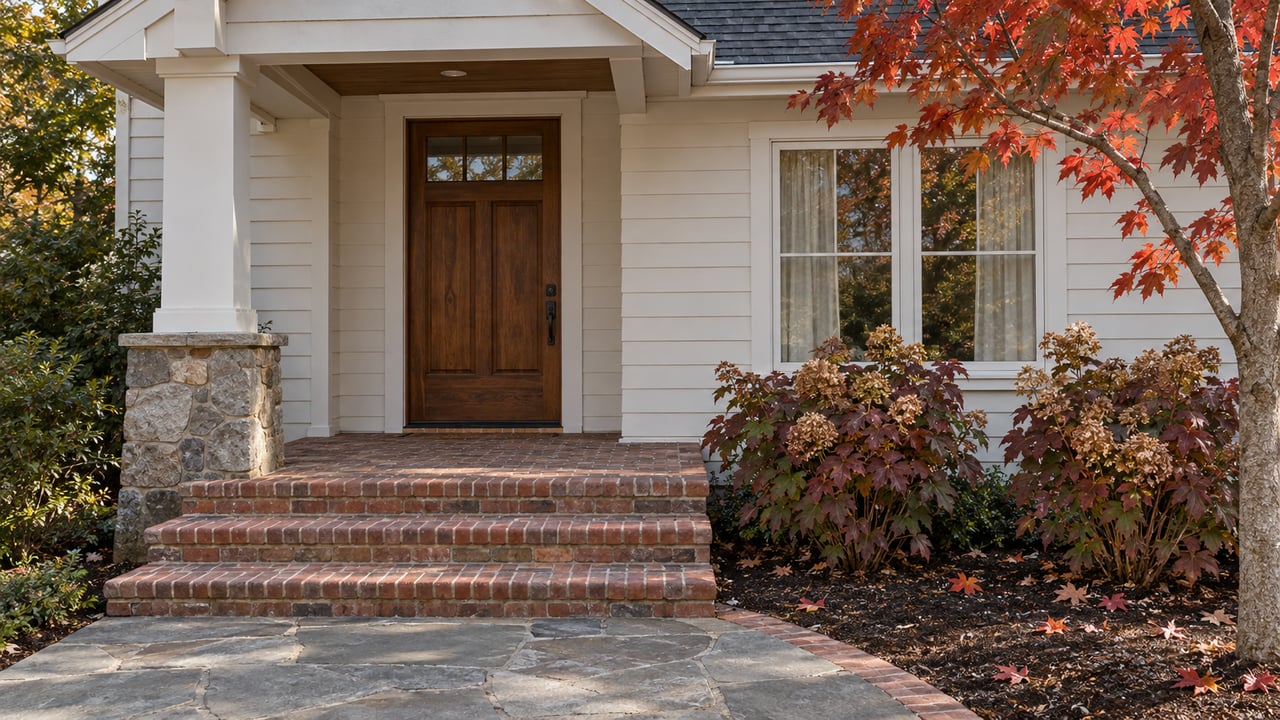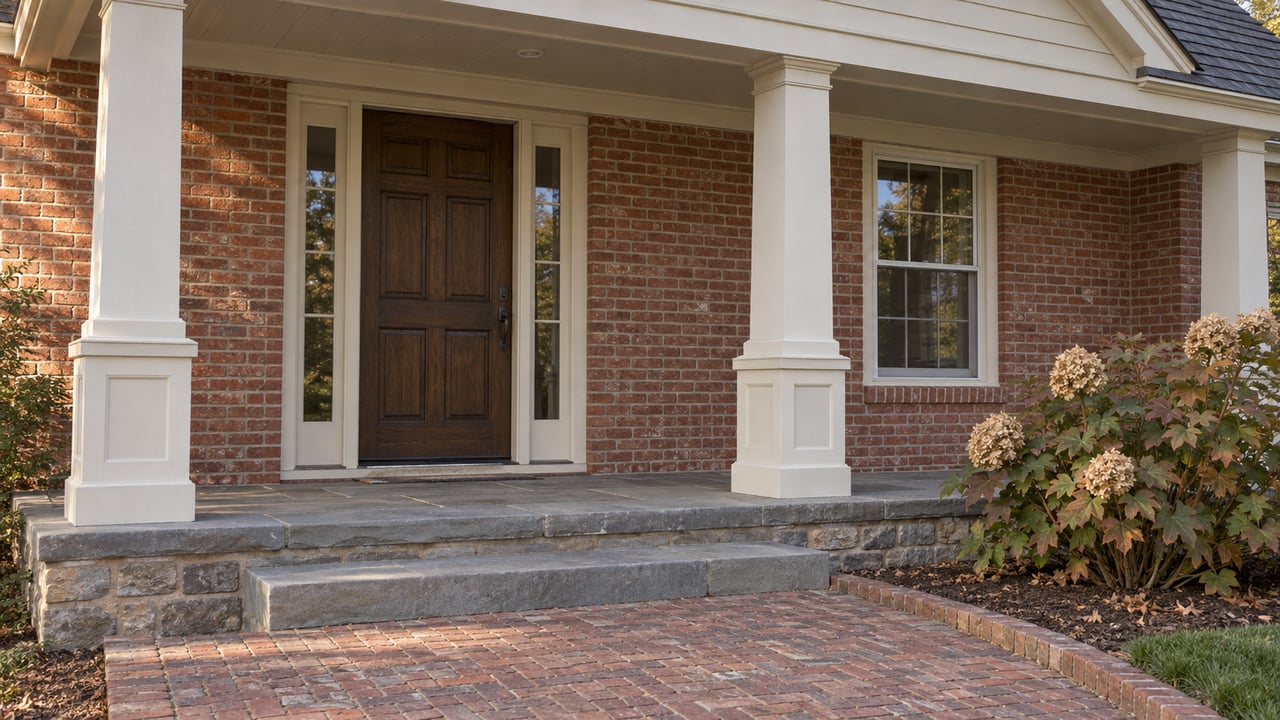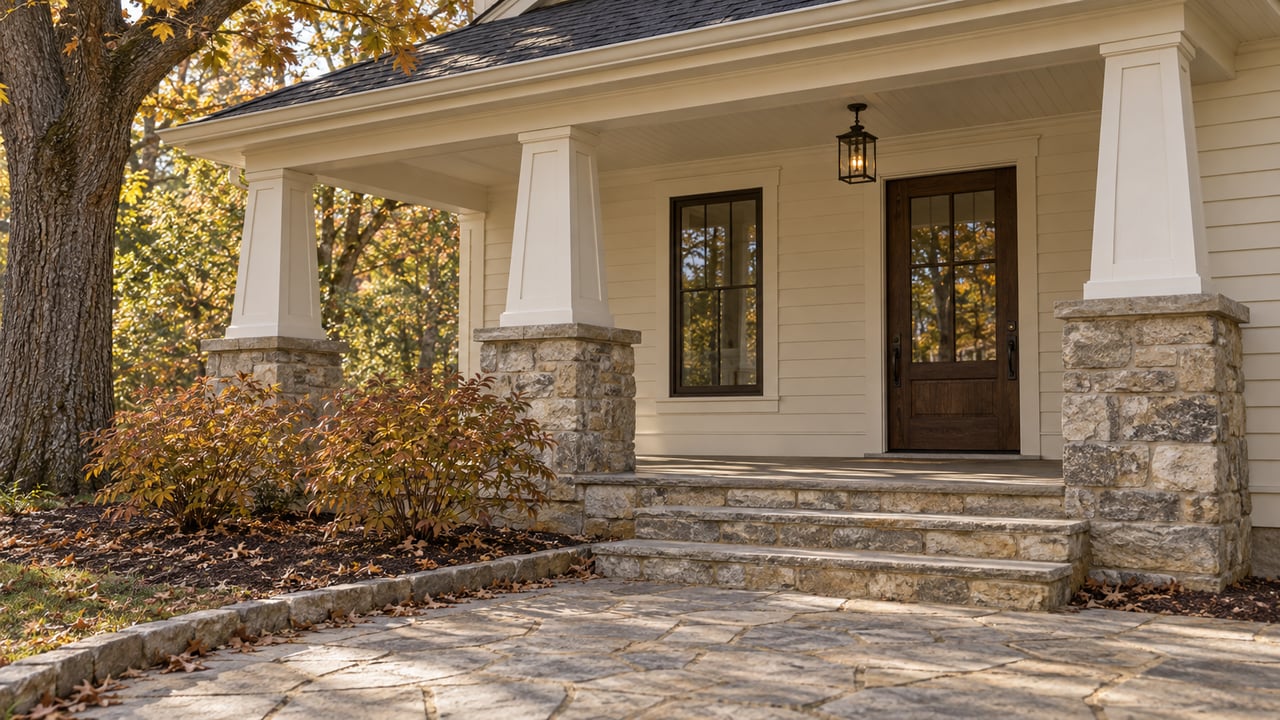

The inspector is standing at the crawlspace hatch of a 1952 brick ranch two blocks off Main and Broad, flashlight in hand, asking the buyer a question that sounds simple. Sewer or septic? The buyer shrugs. The listing agent shrugs. And if anyone calls the City of Salem to check the record, the city will tell you, in writing, that it does not have one.
That is not a gap in customer service. It is the plain policy on the city's own utilities page: Salem keeps no records of septic tanks. If a property has one, the only way to confirm it is to call the Roanoke City and Salem Health Department directly, because the tank was never the city's system to track in the first place. For a buyer three days from the end of an inspection contingency, that is a phone call that should have happened during the first week of due diligence, not the last.
The paperwork that doesn't exist
Most Virginia localities can pull up a septic permit history in an afternoon. Salem's older blocks, the ones built before city sewer lines reached every street, don't work that way. The Virginia Department of Health's Roanoke Health District handles onsite sewage applications for Salem alongside Roanoke City and County, and any septic work still requires a private consultant licensed through the Department of Professional and Occupational Regulation, the same as it would in a rural county with no municipal sewer at all.
That matters because a house on a street where every visible neighbor is tied to city sewer can still, quietly, be on a septic system installed decades before the main was extended past that particular lot. Nothing about the exterior tells you which one you're buying. The city's own answer to "where is the septic tank on my property" is to send you to the health department, not to a searchable database. Treat that as the actual starting point for due diligence on any Salem home built before the 1970s, not a formality to handle after the offer is accepted.
The sewer system is mid-repair right now
The other half of the picture is what's happening to the pipes that do connect to city sewer. Salem is currently operating under a consent order from the Virginia Department of Environmental Quality, an enforcement instrument that lets the city keep running its sanitary sewer system while requiring it to fix known problems on a fixed schedule. The issue driving the order is inflow and infiltration, stormwater and groundwater working their way into sanitary lines through cracks, joints, and aging laterals, which is what causes both sewer overflows and the kind of backup nobody wants discovered mid-inspection.
The corrective work is not abstract. The city's plan includes smoke testing, dye testing, CCTV camera inspection, manhole inspections, and pipeline assessment by NASSCO certified professionals who evaluate criticality based on a pipe's age, material, size, and location. Salem owns and operates about 230 miles of sewer pipe serving roughly 9,300 customers, with wastewater ultimately treated at the Roanoke Regional Water Pollution Control Plant, operated by the Western Virginia Water Authority under an agreement with the city. Some of this work shows up as posted lane closures on the city's GIS map and Facebook feed, which tells you this isn't a historical footnote. Crews are still out there testing lines this year.
If the city's own crews are still smoke-testing and camera-scoping the main under your street, the honest question isn't whether your home's lateral connects cleanly to it. It's whether anyone has actually looked.
For a buyer, the practical takeaway is narrow but real. A consent order affecting the public main doesn't automatically mean your private lateral, the pipe running from your house to that main, has a problem. But it does mean the city is actively finding and prioritizing problem sections of an aging system, and an older cast iron or clay lateral sitting on one of those sections is exactly the kind of thing a private sewer scope can catch before closing rather than after.
| Scenario | What to verify before closing |
|---|---|
| Home connects to city sewer | Ask when the lateral was last scoped. Request a private sewer camera inspection, especially for houses built before 1970 |
| Home is on septic, or you're not sure | Call the Roanoke City/Salem Health Department directly. Do not rely on the listing or the city's general records |
| Home has original galvanized supply lines | Expect some rust-related discoloration and budget for eventual replacement rather than treating it as a defect |
What the slower market buys you a chance to ask
There's a reason this is worth raising now instead of treating it as evergreen advice. A year ago, Salem homes were going under contract in about 10 days. As of the three months ending June 2026, Redfin's tracking put that figure closer to 19 to 20 days, even as the median sale price climbed to roughly $309,800 to $324,000 depending on the measurement window, up somewhere between 8.7 and 17.8 percent year over year. Zillow's separate estimate showed the average Salem home value near $312,662 as of the end of July 2026, up 4.2 percent over the year.
The trackers don't agree on the exact number, and that's normal. What they agree on is the shape of the change. Prices are still rising, but the pace of the market has slowed enough that homes now sit for close to twice as long as they did a year ago. That difference is the actual story for a buyer weighing whether to ask for a sewer scope or hold off to keep an offer competitive. In a 10-day market, a request for a $400 to $600 camera inspection can be the reason a seller picks a cleaner offer instead. In a market where the median home takes nearly three weeks to go under contract, that same request is far less likely to cost you the house. The slower pace is not a consolation prize. It's the room you need to ask the boring question that actually protects you.
The other tell hiding in your water
Salem's own water department will tell you plainly that the city's water runs moderately hard, between 9 and 12 grains per gallon, averaging around 10, with a pH near 7.5. The city also states directly that rusting galvanized pipe is the typical cause of discolored tap water in Salem homes, and that the iron causing it isn't a health risk on its own. If cold water runs rusty, it should clear after running for a bit. If hot water is the one that's off color, the fix is often as simple as flushing the water heater.
That distinction matters for the same reason the septic question does. A little rust-tinted water from an older galvanized line is not automatically a red flag, and treating it as one can spook a buyer out of a perfectly sound older home. But galvanized supply lines tend to show up in the same vintage of house where the septic-versus-sewer question is genuinely unclear, and where original cast iron drain lines are more likely. Discolored water is worth mentioning to your inspector, not because it's dangerous, but because it's often the visible clue pointing toward the invisible plumbing questions underneath the house.
What this means when you write the offer
For a Salem buyer working with older housing stock, from the brick ranches near downtown to the postwar bungalows on the surrounding blocks, the sequence that protects you looks different from a generic inspection checklist. Confirm sewer versus septic status through the Health Department before you're deep into your inspection window, not during it. If the home is on city sewer, request a private lateral scope rather than assuming a clean city main means a clean connection to your house. If the water runs slightly rust colored, ask whether it's the cold line, the hot line, or both, since the answer points to different fixes. And use the slower 2026 market, with days on market nearly double what they were a year ago, as actual leverage to ask for all of it before you remove your contingency, not as something to apologize for.
FAQ
How do I find out if my Salem home is on septic or public sewer? Start with the Roanoke City/Salem Health Department, since the City of Salem does not maintain its own septic tank records. This is the single most important call to make early in your inspection period rather than near the end of it.
Does the DEQ consent order mean I'll pay more for sewer service? The consent order requires the city to invest in finding and fixing problems in its sewer system, which is a citywide infrastructure matter rather than something tied to one property's closing costs. It's a reason to have your specific lateral scoped, not a separate fee you'll see on a settlement statement.
Is discolored water in an older Salem home a dealbreaker? Not on its own. The city attributes most discoloration to rusting galvanized pipe and notes it isn't a health hazard. Treat it as a prompt to ask more questions about the age of the plumbing, not as a reason to walk away.
Older homes in Salem carry a kind of character that newer construction can't fake, tree-lined streets, solid bones, a sense of permanence. They also carry plumbing history that neither the county assessor nor the city's own records office can hand you on request. Working through that history with someone who knows exactly which questions Salem's system can't answer for you, and exactly who can, is the difference between a smooth closing and a surprise. If you're weighing an older Salem property, Virginia Realty Group can walk you through it before you're standing at that crawlspace hatch yourself. Contact Kendra to start the conversation.
This article is general information, not legal, tax or financial advice. Consult a qualified professional about your situation.