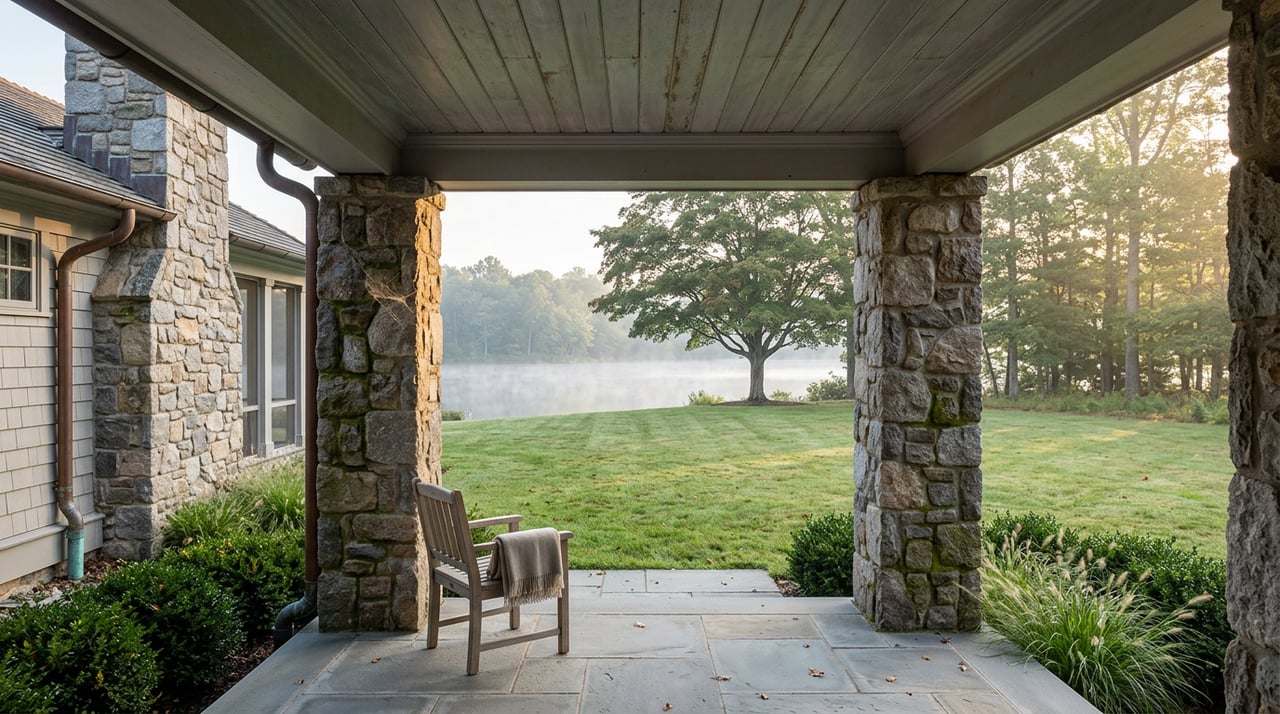
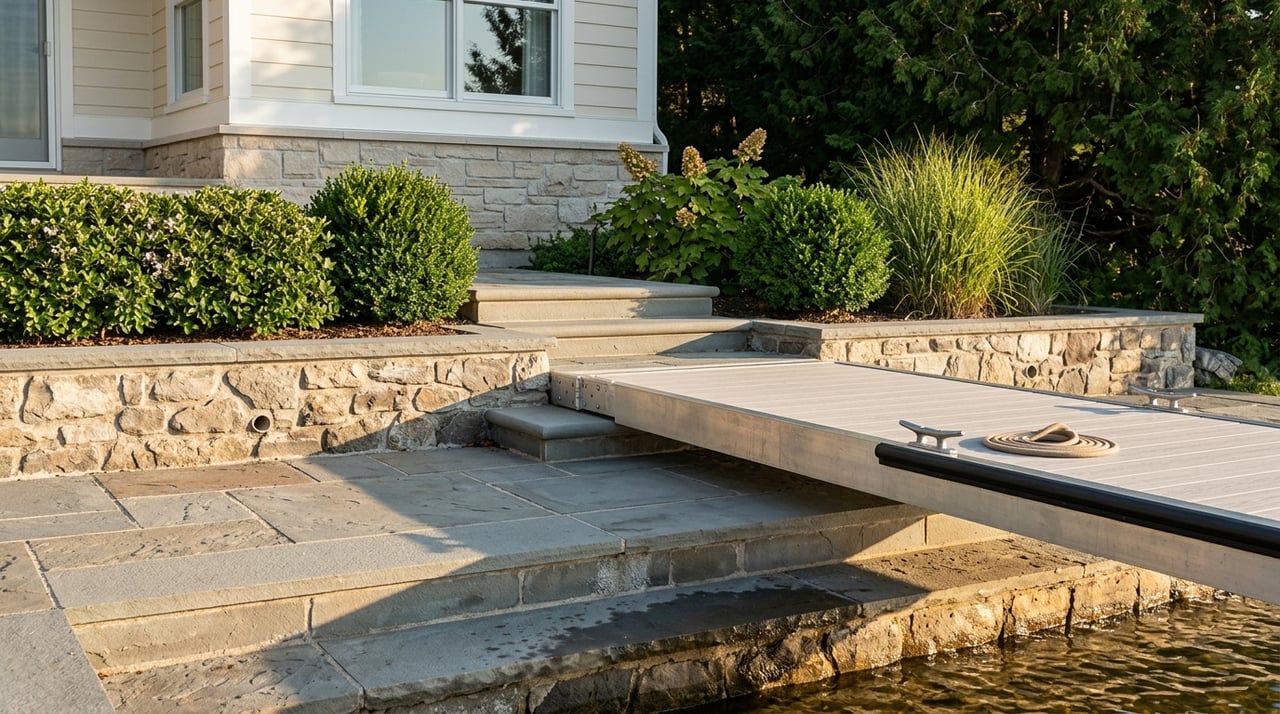
Buying a waterfront home in Penhook can feel like finding the best of Smith Mountain Lake without the busiest lake traffic. But lakefront real estate here comes with extra layers that do not apply to a typical neighborhood purchase. If you are considering a Penhook waterfront home, it helps to understand the shoreline rules, dock details, water levels, and septic requirements before you fall in love with a view. Let’s dive in.
Penhook waterfront living is different
Penhook is part of the Smith Mountain Lake corridor in Franklin County, not a standard inland housing market. Smith Mountain Lake is a 20,600-acre AEP impoundment with about 500 miles of shoreline and roughly 40 miles of length, which means waterfront ownership here is shaped by both private property and a regulated shoreline environment.
That matters because what you are buying is more than the house and lot. You are also buying into a lake setting where water levels, shoreline management, dock permits, and outdoor recreation all affect how the property functions day to day.
Why Penhook appeals to many buyers
Penhook is often seen as a quieter part of the lake, with access to coves and a more tucked-away feel near Smith Mountain Dam. At the same time, it is not isolated. Public access points in and around the area include Penhook Landing and Penhook Community Park, so the area blends private waterfront living with nearby public recreation.
For many buyers, that balance is the appeal. You may get a more residential lake experience while still being minutes from open water and public launch options.
Water level and shoreline rules matter
One of the first things to know is that Smith Mountain Lake is operated as part of a pumped-storage system. Full pond is 795 feet, the typical operating range is 793 to 795 feet, and the surface can drop below 793 feet during low inflow conditions.
That means the shoreline you see during a showing may not look exactly the same year-round. If a home has shallow water, a long walk to the dock, or a lot with a gentle slope, even small level changes can affect how the waterfront feels and functions.
Understand the 800-foot contour
AEP states that the regulated shoreline area extends to the 800-foot contour. In practical terms, any area below that elevation should be viewed as regulated shoreline space rather than ordinary yard area.
This is a key point for buyers comparing homes. A property may appear to have a large usable lawn near the water, but parts of that space may still fall under shoreline rules that affect what can be added, changed, or maintained.
Slope and erosion can shape your costs
In Penhook, lot shape matters almost as much as the house. Cove-front lots, main-lake exposure, and steep-bank lots can all create different maintenance needs and different waterfront experiences.
AEP guidance says vegetation buffers are encouraged, and riprap is generally allowed where there is active erosion. Bulkheads are not the preferred stabilization method and may require a variance when banks are steep. If you are comparing homes, it is wise to pay close attention to what erosion control is already in place and whether the shoreline appears stable.
Septic should be part of your due diligence
For waterfront buyers in Franklin County, septic is not a side issue. If a property uses a septic system and is within 500 feet of the Smith Mountain Lake shoreline, Franklin County requires the system to be pumped or inspected every five years.
That makes septic records an important part of the buying process. Before closing, you will want to know whether the property is subject to that rule and whether the current owner has kept the system up to date.
Ask for septic history early
A recent pump-out or inspection record can give you more confidence in what you are buying. It can also help you avoid a last-minute surprise if maintenance has been missed.
When you tour waterfront homes, ask whether the home is on septic, where the system is located, and whether there is documentation showing compliance with the county requirement. In Penhook, this is a normal and smart question.
Dock permits can transfer, but not automatically
For many buyers, the dock is one of the most valuable parts of a waterfront property. But the dock should never be treated as a simple visual feature. AEP says existing Occupancy and Use Permits and non-commercial dock permits must be assigned to new owners when a property is sold, and any compliance issues must be resolved first.
In other words, you do not just want a dock. You want a dock with the right paperwork and a clear compliance history.
A status-of-property report is worth checking
AEP advises sellers to request a status-of-property report before a transaction. This can help identify compliance issues, unpermitted additions, or other concerns tied to the shoreline improvements.
That is especially important because the buyer inherits responsibility for existing compliance problems. If a dock, walkway, or shoreline feature does not meet current requirements, that may become your issue after closing.
County approval may still be needed
Another detail buyers often miss is that an AEP Occupancy and Use Permit is not the same thing as a building permit. Even if shoreline permission is already in place, county approvals may still be needed for certain improvements.
That distinction matters if you are thinking about future changes. If you plan to modify a dock, adjust shoreline features, or improve access to the water, make sure you understand both layers of approval.
Small dock details can become big issues
At first glance, dock compliance can seem minor. In reality, small details can hold up inspections, delay permit signoff, or create future costs.
For example, AEP says docks built under permits issued after 2003 must have white reflectors on the outermost water-facing sections and every 20 feet on both sides. Final inspections will not be issued until the reflectors are installed.
Check sanitation and older features
Dock sanitation features are also restricted. AEP notes that future permits will not be issued until older dock sinks are removed if they do not qualify under legacy rules.
You should also ask about beach features. AEP says beaches that existed before August 29, 2003 may be maintained but not expanded. If a waterfront home has a beach area, it is important to know whether it is grandfathered and whether any planned changes would be allowed.
Boating affects daily life at the property
Owning a Penhook waterfront home is not just about views. It is also about how you expect to use the lake.
Virginia DWR states that Smith Mountain Lake is a No Discharge Zone, so sewage must be pumped out at approved facilities or taken ashore for proper treatment. DWR also requires one wearable life jacket for each person aboard and at least one throwable flotation device on vessels 16 feet or longer.
These rules may sound basic, but they shape the day-to-day reality of lake living. If you plan to boat often, host guests, or keep watercraft at the property, understanding these rules upfront can help you decide whether a home fits your lifestyle.
Penhook versus busier lake areas
If you are choosing between Penhook and a more active part of Smith Mountain Lake, lifestyle is a major factor. Local tourism descriptions present Penhook as a quiet cove area near the dam, while Bridgewater Plaza is known as one of the lake’s central commercial destinations for dining, shopping, entertainment, and boat slips.
That does not make one better than the other. It simply means the experience is different. Penhook may appeal more if you want calmer water, more privacy, and a more residential setting, while other areas may be a better fit if you want quick access to marinas and lakefront activity.
Seasonal traffic can change the feel
DWR notes that coves usually produce less boating traffic. Local chamber information also points to lighter boat traffic in early spring and fall than during the peak May-to-September season.
If possible, try to visit at more than one time of year. A property that feels peaceful in April may feel very different on a summer holiday weekend, especially if it sits closer to the main channel.
A simple showing checklist for Penhook buyers
When you tour a Penhook waterfront home, keep your focus on both the house and the shoreline setup. A beautiful view is only part of the story.
Here are smart questions to ask during showings:
- Does the dock or pier have an assignable permit?
- Has a status-of-property report been completed?
- Are there any open compliance issues or unpermitted additions?
- Is the lot cove-front, main-lake, or steep-bank?
- What erosion control is already in place?
- How does the lot sit relative to the 795-foot full pond level and the 800-foot regulated shoreline area?
- If the home uses septic, is it within 500 feet of the shoreline?
- Is the septic system current on Franklin County’s five-year pump-out or inspection rule?
- Are dock reflectors, sanitation features, or beach features compliant?
- How close are the nearest public access points?
The bottom line for Penhook waterfront homes
A Penhook waterfront home can offer a peaceful Smith Mountain Lake lifestyle with strong recreational appeal and a more tucked-away setting. But buying well means looking beyond square footage and finishes. You need to understand the lot, the shoreline, the dock, and the systems that come with the property.
That is where local guidance can make a real difference. When you know the right questions to ask before you write an offer, you can move forward with more confidence and fewer surprises.
If you are thinking about buying on the water in Penhook or anywhere around Smith Mountain Lake, Kendra Porter, Broker/Owner can help you evaluate the details that matter and find a property that truly fits the way you want to live.
FAQs
What should buyers ask about a Penhook dock permit?
- Ask whether the dock has an assignable AEP permit, whether a status-of-property report has been completed, and whether there are any unresolved compliance issues.
What should buyers know about Smith Mountain Lake water levels in Penhook?
- Smith Mountain Lake full pond is 795 feet, the typical operating range is 793 to 795 feet, and lower water conditions can affect how a shoreline or dock functions.
What should buyers know about septic rules for Penhook waterfront homes?
- If a waterfront property uses septic and is within 500 feet of the shoreline, Franklin County requires the system to be pumped or inspected every five years.
What should buyers know about shoreline rules in Penhook?
- AEP regulates shoreline areas up to the 800-foot contour, so land near the water may be subject to shoreline management rules rather than treated like ordinary yard space.
What should buyers know about Penhook compared with busier Smith Mountain Lake areas?
- Penhook is generally understood as a quieter, more residential part of the lake, while central commercial areas like Bridgewater offer easier access to shopping, dining, and marina activity.