

98,677 people live in Roanoke, where the median age is 38 and the average individual income is $34,792. Data provided by the U.S. Census Bureau.
Total Population
Median Age
Population Density Population Density This is the number of people per square mile in a neighborhood.
Average individual Income
Tucked into the Blue Ridge Mountains of southwest Virginia, Roanoke has a way of surprising people. It moves with the amenities of a mid-sized metro but keeps the cost of living and neighborly rhythm of a much smaller town. This guide walks you through what it actually feels like to live here, neighborhood by neighborhood, so you can picture your own place in the valley before you ever tour a home.
They call it the "Star City of the South" for the 88-foot neon star glowing over the valley from Mill Mountain. It's a fitting symbol, because Roanoke has always been a place that points somewhere.
Life here orbits two things: the landscape and the anchor industries. The mountains aren't a weekend destination, they're a backyard. The Roanoke River Greenway threads straight through the city, and the Blue Ridge Parkway and Appalachian Trail sit minutes from most front doors.
The economy has quietly reinvented itself. Once a Norfolk & Western railroad town, Roanoke now leans on healthcare, education, and a growing tech corridor. Carilion Clinic is the region's largest employer, and its partnership with Virginia Tech has drawn physicians, researchers, and students into the city core.
And then there's the value. Housing runs well below national and state averages, which is a big part of why remote workers and transplants keep landing here. Add a serious craft-brewery scene, farm-to-table dining, and institutions like the Taubman Museum of Art, and you get a city that punches far above its weight.
Roanoke is made up of nearly 50 officially designated neighborhoods, and each one carries its own architecture and personality. You don't really know Roanoke until you know its enclaves.
Downtown is urban, walkable, and culturally busy, built around the historic City Market and full of loft conversions and condos. Grandin Village and Raleigh Court form a classic streetcar suburb, artsy and family-heavy, anchored by the 1930s Grandin Theatre. South Roanoke is the prestigious old-money address, all tree-lined streets and Colonial estates near Carilion's flagship hospital.
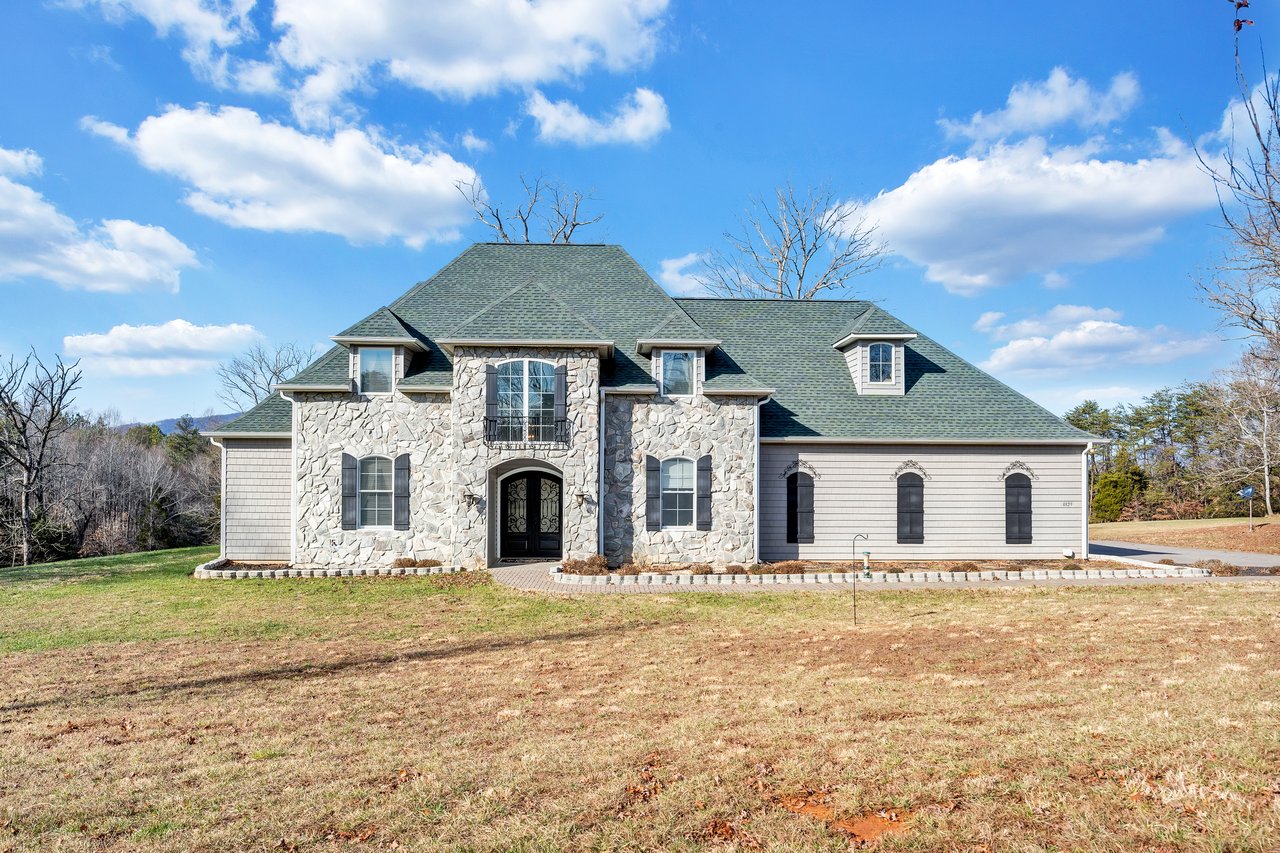
Then there's Wasena, riverside and outdoorsy, popular with younger buyers who want energy without the price tag. Old Southwest borders downtown and holds the region's densest collection of Victorian and Queen Anne homes. Just outside the city line, the Cave Spring and Hunting Hills area of Roanoke County delivers the quiet, cul-de-sac suburban experience families gravitate toward.
Each of these deserves a closer look, so let's keep going.
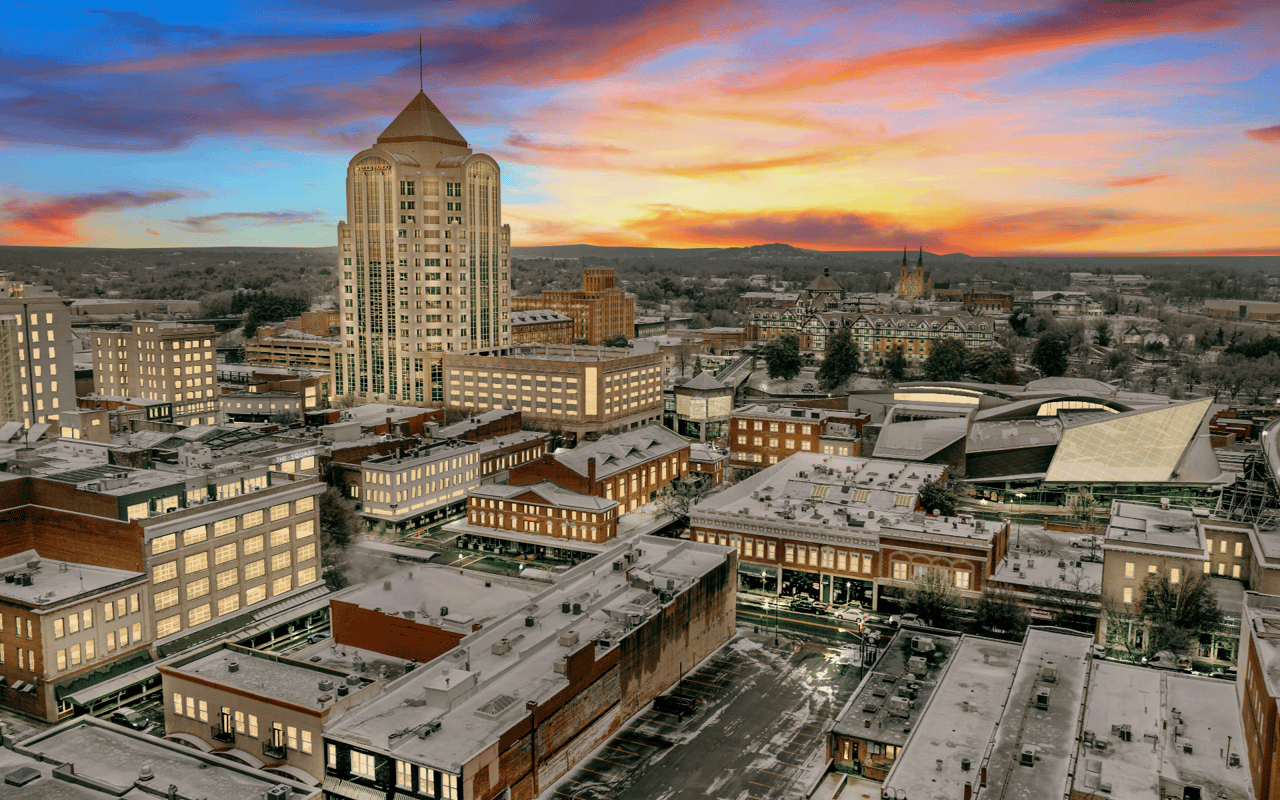
Downtown offers something genuinely rare: a dense, walkable urban core set against a mountain skyline. This wasn't always the case. For decades it emptied out at five o'clock. Today it's one of the liveliest places to live in the valley.
The revival came from reusing what was already here. Nineteenth-century warehouses, garment factories, and rail buildings have become modern apartments and condos, most of them keeping their exposed timber beams, original brick, and tall multi-pane windows.
At the center sits the Roanoke City Market, one of the oldest continuously operating open-air markets in Virginia. Living downtown means farmers, artisans, and independent restaurants are a short walk from your door.
It's also the one neighborhood where you can realistically go car-free. Small grocers, boutique fitness studios, and Elmwood Park's amphitheater are all within reach, and the Greenway connects you to a riverside trail or mountain-bike route in about ten minutes.
If loft living isn't your style but character is, Roanoke's historic districts are the heart of the city's charm. The railroad boom of the late 1800s and early 1900s left behind an architectural legacy that's remarkably well preserved.
Old Southwest is the Victorian gem. Directly beside downtown, it's lined with towering Queen Anne, Italianate, and Edwardian homes, complete with wrap-around porches, gabled roofs, and heart-pine floors. After a mid-century decline, urban preservationists reclaimed it, and today it's a tight, restoration-minded community.
Grandin Village and Raleigh Court tell a different story. Built in the 1910s and 1920s as streetcars made commuting easy, this pocket is famous for its Craftsman bungalows, American Foursquares, and mock-Tudors, with deep front porches and built-in cabinetry. Nearly every home sits within a short walk of a coffee shop, the theatre, or a school.
South Roanoke developed slightly later into the city's upscale historic tier. The streets climbing toward Mill Mountain hold larger Colonial Revival and Georgian homes on bigger lots, offering more privacy while keeping strict historic guidelines intact.
When families put down roots here, they tend to prioritize the same three things: safety, strong schools, and easy access to parks. Roanoke delivers on all three, in a couple of distinct flavors.
Cave Spring and Southwest County represent the premium suburban experience. The public schools, including the Cave Spring and Hidden Valley districts, consistently rank among the best in southwest Virginia. Streets are quiet, yards are large, and life revolves around neighborhood pools, youth sports, and the South County Library.
Grandin Village and Raleigh Court offer the opposite feel: walkable and tight-knit. This is where kids can walk to school, the library, or an ice cream shop, and where neighborhood pride runs high. Weekends mean a matinee at the Grandin Theatre or an afternoon at the co-op. The early-20th-century homes give families real character alongside community.
Both work beautifully. It really comes down to whether you want a spacious suburban lot or a front porch you can wave to your neighbors from.
Here's the good news for first-time buyers: Roanoke's median home price sits well below the national and state averages, which makes getting in the door far more realistic than in most of Virginia.
Vinton, the "Gateway to the Blue Ridge," sits just east of the city and offers a lower cost of entry than South Roanoke or the county subdivisions. It's had its own downtown revival, and its mid-century brick ranches and cottages are easy to maintain, ideal for a first place.
Hollins and North Roanoke deliver strong suburban value. The split-levels, ranches, and townhomes built between the 1960s and 1980s generally need less structural work than the city's turn-of-the-century homes, and you stay within 10 to 15 minutes of downtown and the interstate.
Wasena and the edges of Raleigh Court are for buyers who want the cool factor of Grandin and downtown without the premium. Affordable 1920s bungalows sit right on the Greenway, giving you both lifestyle and long-term appreciation.
Here's a quick way to compare the three:
Neighborhood | Typical Home Style | Why First-Timers Love It |
|---|---|---|
Vinton | Mid-century ranches, cottages | Lower taxes, small-town downtown feel |
Hollins | Split-levels, ranches, townhomes | Affordable square footage, easy highway access |
Wasena | 1920s bungalows, fixers | Strong appreciation, sits on the Greenway |
Affordable as it is overall, Roanoke still has its refined addresses, the kind that draw executives, physicians, and retirees looking for estates, custom builds, or a mountain view.
South Roanoke is the traditional crown. The estate-sized Colonial Revivals, stone Tudors, and Georgians climbing Mill Mountain command the highest price-per-square-foot in the city, helped along by that old-money aesthetic and walkable access to Crystal Spring's boutique dining.
Hunting Hills and Clearbrook offer country-club luxury in Southwest County. Built around the Hunting Hills Country Club, these expansive custom homes sit on multi-acre lots with private pools and ridge views, a favorite for families who want top county schools alongside privacy.
Deyerle and the Southwest County ridge lines lean modern. Contemporary homes tucked into the foothills feature soaring ceilings and walls of glass framing the valley, all while staying under ten minutes from the shopping and dining along Electric Road.
One thing to understand early: education here is decentralized, so your zip code determines your school district. The region is served by several public divisions plus a competitive regional STEM magnet.
Roanoke County Public Schools is generally regarded as the top-performing large system in the area, serving the suburban rings around the city. Cave Spring High School and Hidden Valley High School consistently earn strong ratings for college prep and STEM.
Roanoke City Public Schools serves the urban core and stands out for diversity and specialized programming. Its two main high schools, Patrick Henry and William Fleming, offer International Baccalaureate programs and extensive career and technical education tracks.
For advanced students, the Roanoke Valley Governor's School for Science & Technology is a competitive regional magnet where top students spend half their day in college-level research and lab sciences.
The valley's higher-education footprint matters too. Virginia Tech Carilion anchors the downtown medical and tech economy, Hollins University in North Roanoke County is nationally known for creative writing, and the surrounding colleges keep the region's cultural life active.
This is where Roanoke really wins. You get the culture and infrastructure of a mid-sized metro without the price tags of Richmond, Virginia Beach, or Northern Virginia.
Overall, the cost of living runs roughly 8% below the national average and about 10 to 15% below the Virginia state average. Housing is the biggest driver, sitting around 22% under the national baseline. Groceries and healthcare track close to national norms.
The one category that runs high is utilities, about 12 to 13% above average, thanks to regional energy pricing and the seasonal swings of a mountain climate.
On the real estate side, the median sold price inside city limits floats roughly between $237,000 and $285,000, depending heavily on the neighborhood and architecture. Head out into Roanoke County and that median climbs closer to $364,000, reflecting newer construction and competitive schools. Renters, meanwhile, typically pay somewhere between $1,150 and $1,390 a month, far below the national average of nearly $2,000.
Roanoke doesn't just sit near the mountains; its whole identity is built on them. It's an official IMBA Silver-Level Ride Center and widely considered the outdoor capital of the East Coast.
You don't even have to leave the city to get into nature. Mill Mountain Park towers over downtown with miles of hiking and biking trails, the Mill Mountain Zoo, and the famous Roanoke Star overlooking the valley. The Roanoke River Greenway runs a paved, car-free path along the river, connecting neighborhoods, parks, and commercial districts.
Fifteen minutes north sits Carvins Cove, the second-largest municipal park in the country at over 12,000 acres. It offers more than 60 miles of singletrack and a 630-acre reservoir for kayaking, paddleboarding, and fishing.
For bigger adventures, Roanoke is a basecamp for two legendary corridors. The Blue Ridge Parkway is minutes away, and the local stretch of the Appalachian Trail includes Virginia's "Triple Crown," McAfee Knob, Dragon's Tooth, and Tinker Cliffs. McAfee Knob alone is the most photographed spot on the entire AT.
Roanoke's cultural life leans hard into the independent and the local. You'll find far more one-of-a-kind spots than national chains here.
The food scene is in the middle of a genuine renaissance, built on farm-to-table sourcing and inventive Southern cooking. Downtown and Grandin Village are the main hubs, where upscale fusion sits alongside legends like Texas Tavern, a 24-hour diner serving chili and "cheesy westerns" since 1930. For a modern take, rooftop spots like Six & Sky pair contemporary plates with Blue Ridge views.
Drinks are a whole category of their own. The Virginia's Blue Ridge Cheers Trail links dozens of award-winning breweries, cideries, and wineries scattered through the foothills.
Shopping favors character over sprawl. The historic City Market has run continuously since 1882, while the Crystal Spring corridor and Grandin Village offer antiques, vintage apparel, independent bookstores, and food co-ops.
Culture punches above the city's size, too. Center in the Square packs a theatre, science museum, and more under one roof; the Taubman Museum of Art is an architectural landmark in its own right; and the Virginia Museum of Transportation guards the largest collection of historic locomotives in the mid-Atlantic.
Traffic gridlock is rare in Roanoke. Most residents drive, but the average commute lands around a very manageable 18 to 22 minutes.
The road grid is anchored by Interstate 81 running north-south along the valley, with I-581 and Route 220 funneling drivers into downtown and the Carilion campus. Route 419, or Electric Road, serves as the main commercial spine through the county suburbs.
Walkability depends entirely on where you land. Downtown, Old Southwest, Grandin Village, and the Crystal Spring area of South Roanoke all score high, with errands, dining, and recreation reachable on foot. The Greenway extends that reach, letting residents bike or walk between neighborhood hubs without touching traffic.
For those who'd rather not drive at all, there are options. Valley Metro runs 19 fixed bus routes, the free Star Line Trolley loops between downtown and the Carilion hospital, and the Smart Way bus connects to Virginia Tech in Blacksburg. Notably, downtown's Amtrak station offers direct Northeast Regional service to Washington, Philadelphia, and New York, no transfer required.
The valley's housing market has settled into a steady, sustainable pace, holding onto its appeal as an affordable alternative to coastal and northern Virginia.
Depending on whether you look at the city center or the broader county, the median sale price runs between about $237,000 and $299,000-plus. Well-priced, move-in-ready homes move fast, sometimes in as little as 12 to 14 days during peak season, though the year-round average sits closer to 24 to 39 days.
This is firmly a seller's market. Inventory hovers around 2.4 to 3 months of supply, well under the 5 to 6 months that signals balance. As a result, homes routinely sell for 96 to 98% of asking.
The story is very local, though. Southwest county zip codes like 24018, covering Cave Spring and Hunting Hills, stay fiercely competitive with listings pushing past $400,000. Historic city pockets like Raleigh Court sell quickly, while up-and-coming areas like Wasena and Vinton still leave room to negotiate, which is exactly why they're smart long-term plays for first-time buyers.
Choosing where to live is less about square footage and more about whether a place fits how you want to spend your days. Roanoke fits some people beautifully and frustrates others, and it's worth being honest about both.
You'll likely love it if your ideal weekend is singletrack at Carvins Cove or a sunrise on McAfee Knob. If you're a remote worker or transplant, your dollars stretch dramatically further here; you can buy a standalone home with a yard for less than a one-bedroom condo up north. And if you work in medicine or research, the Carilion and Virginia Tech ecosystem offers a stable, modern career path.
It might not be your fit if you crave 24-hour metropolis energy, a subway system, or sprawling international retail. The region also lacks the massive corporate headquarters that finance and legacy-media careers often require, and direct international flights mean a drive or a layover through Charlotte, Atlanta, or D.C.
For most people drawn to a community-first pace and a mountain backdrop, though, the answer tends to be yes.
Reading about a place only gets you so far. If you're picturing yourself in one of these neighborhoods, Kendra Porter and the team at Virginia Realty Group are here to turn that picture into a plan. Kendra brings deep local knowledge of the Roanoke Valley along with a genuinely client-first approach, listening closely, communicating clearly, and treating your move as the significant life decision it is rather than just a transaction.
Whether you're buying your first home in Vinton, selling a historic property in Old Southwest, or weighing an upscale build in Southwest County, Kendra is happy to offer honest guidance and local insight so you can move forward with confidence.
Reach out to Kendra Porter at 540-676-5454 to start the conversation, no pressure, just help when you need it
There's plenty to do around Roanoke, including shopping, dining, nightlife, parks, and more. Data provided by Walk Score and Yelp.
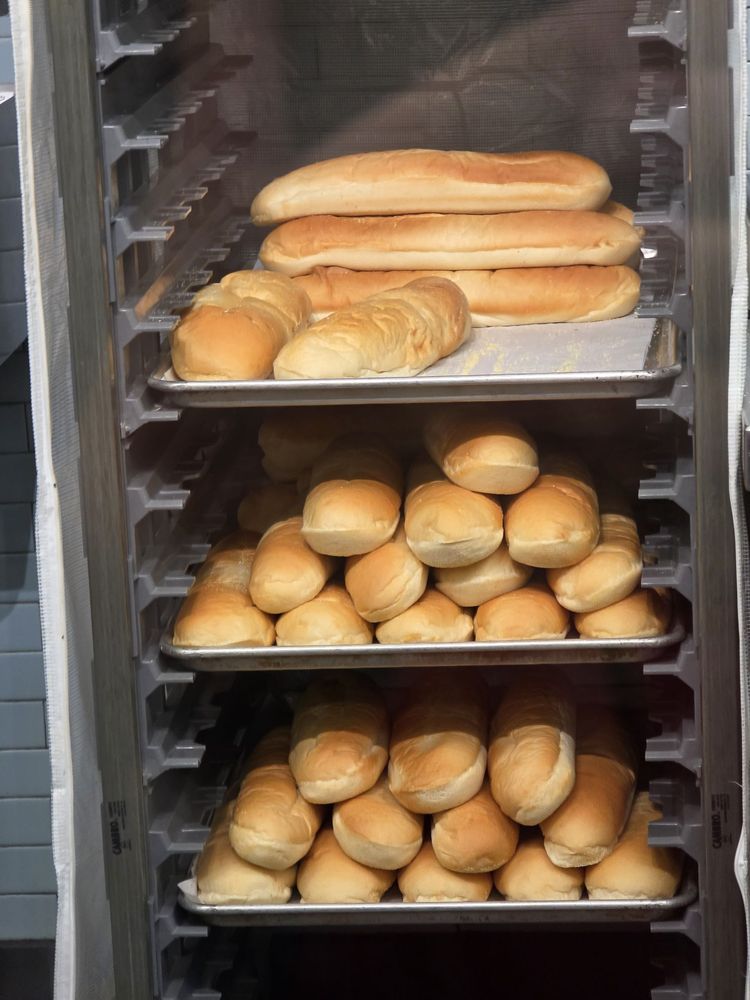
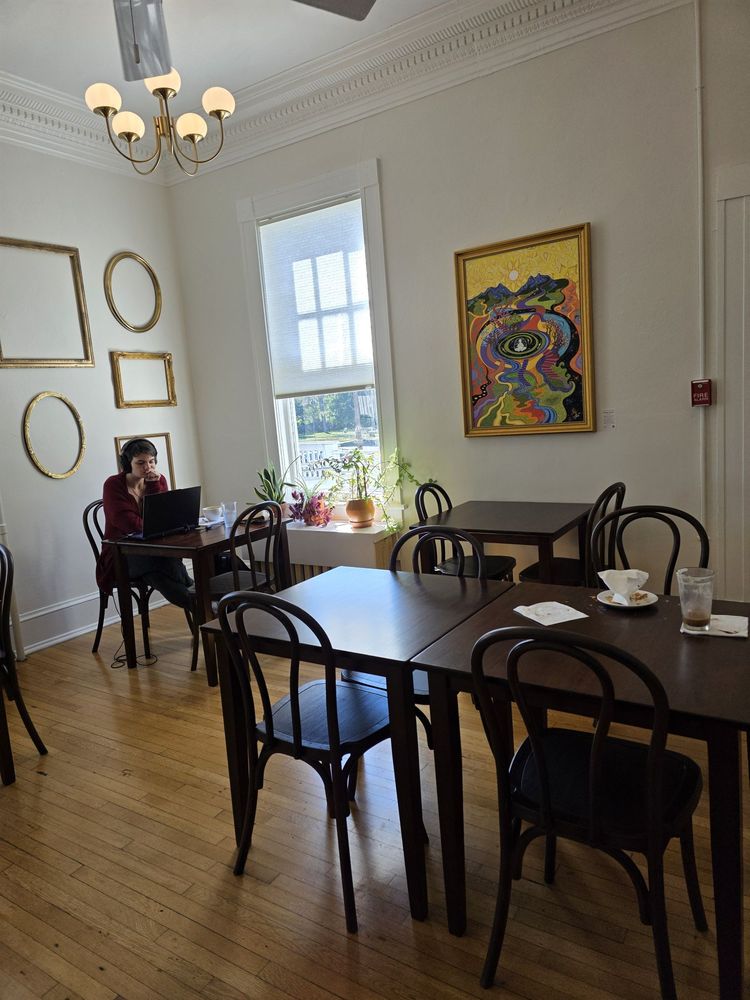
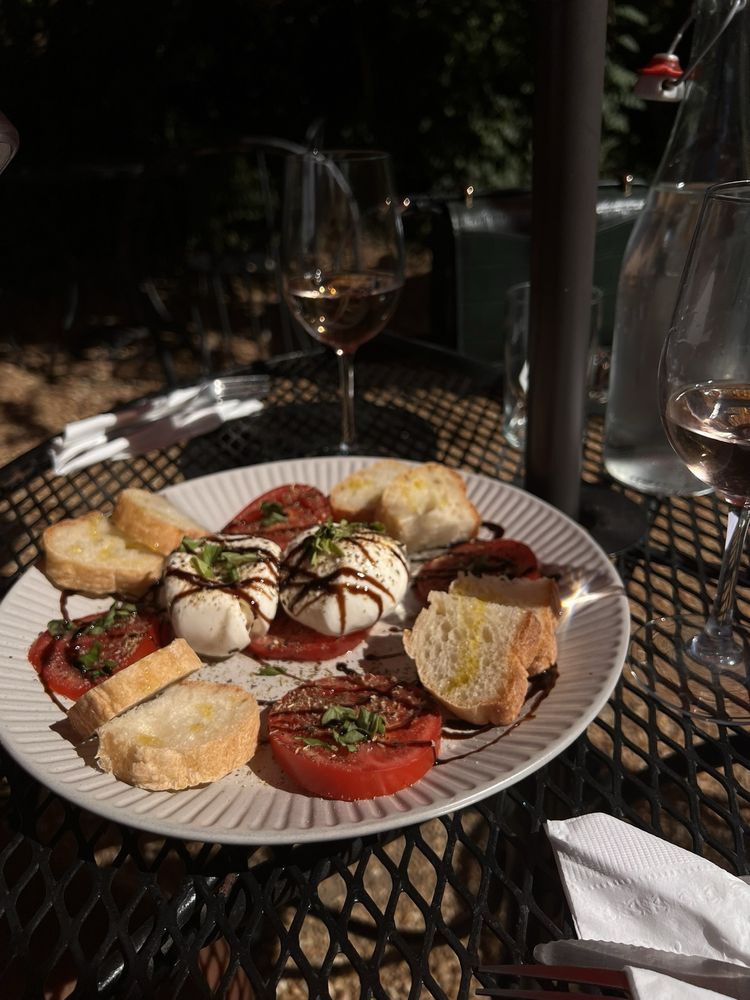
Explore popular things to do in the area, including Jersey Mikes Subs, Teppan Express Japanese Eatery, and Canvas & Coffee Art Cafe.
| Name | Category | Distance | Reviews |
Ratings by
Yelp
|
|---|---|---|---|---|
| Dining | 3.5 miles | 6 reviews | 5/5 stars | |
| Dining | 4.17 miles | 15 reviews | 5/5 stars | |
| Dining | 1.66 miles | 5 reviews | 5/5 stars | |
| Dining | 4.12 miles | 5 reviews | 5/5 stars | |
| Dining | 1.35 miles | 8 reviews | 5/5 stars | |
| Dining | 4.94 miles | 8 reviews | 4.9/5 stars | |
| Active | 1.05 miles | 17 reviews | 4.9/5 stars | |
| Active | 1.54 miles | 7 reviews | 4.9/5 stars | |
| Beauty | 2.27 miles | 17 reviews | 5/5 stars | |
| Beauty | 1.62 miles | 6 reviews | 5/5 stars | |
| Beauty | 1.55 miles | 5 reviews | 5/5 stars | |
| Beauty | 4.22 miles | 5 reviews | 5/5 stars | |
| Beauty | 4.31 miles | 13 reviews | 4.9/5 stars | |
|
|
||||
|
|
||||
|
|
||||
|
|
||||
|
|
||||
|
|
Roanoke has 43,429 households, with an average household size of 2.23. Data provided by the U.S. Census Bureau. Here’s what the people living in Roanoke do for work — and how long it takes them to get there. Data provided by the U.S. Census Bureau. 98,677 people call Roanoke home. The population density is 2,321 and the largest age group is Data provided by the U.S. Census Bureau.
Total Population
Population Density Population Density This is the number of people per square mile in a neighborhood.
Median Age
Men vs Women
Population by Age Group
0-9 Years
10-17 Years
18-24 Years
25-64 Years
65-74 Years
75+ Years
Education Level
Total Households
Average Household Size
Average individual Income
Households with Children
With Children:
Without Children:
Marital Status
Blue vs White Collar Workers
Blue Collar:
White Collar:
From mountain views to lake living—discover where you belong inside or outside of the Roanoke Valley & Smith Mountain Lake areas.